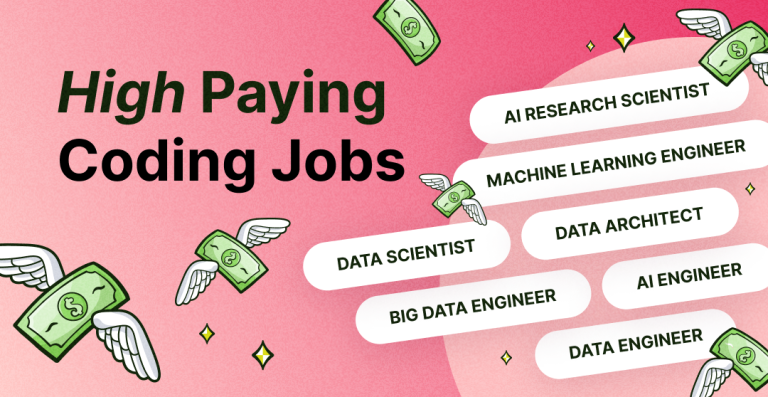


How to Choose the Right Data Engineering Career Path in 2026
The right data engineering career path depends on three things, your strengths, the problems you want to solve, and the tools and work style you enjoy. That choice matters more in 2026 because the field is wider now, with growing paths in analytics engineering, platform work, cloud data, and AI data systems.
If you’re unsure where you fit, don’t chase the flashiest title. Start with the daily work, the skill gap, and the kind of team you want to join.
Quick summary: The best path isn’t “best” on paper. It’s the one that fits your strengths, gives you momentum, and matches the job market you want to enter.
Key takeaway: Don’t choose by title alone. Choose by daily tasks, learning curve, and the kind of problems you’ll still enjoy six months from now.
Quick promise: By the end, you’ll know how to compare core data engineering, analytics engineering, platform work, and AI data roles, then turn that choice into a simple 90-day plan.
Start by matching your strengths to the kind of data work you enjoy
Choosing gets easier when you first know what kind of work fits you. Data engineering means building and maintaining the systems that move, store, clean, and prepare data, but not every data engineer does the same job.
Do you like building systems, cleaning data, or helping teams make decisions?
Think less about titles and more about what feels satisfying.
- If you like backend logic, APIs, and automation, you may lean toward core data engineering.
- If you enjoy clean datasets, reporting logic, and helping business teams trust numbers, analytics engineering may fit better.
- If reliability, cloud setup, and performance grab your attention, platform work may be the stronger match.
- If you’re curious about model inputs, unstructured data, and production AI systems, AI data engineering may be worth exploring.
A simple test helps. Ask yourself what kind of problem you’d want to fix on a Tuesday afternoon. A broken pipeline? A messy metric? A slow warehouse? Bad data going into a model? Your answer says a lot.
Think about your preferred work style before you pick a role
Work style matters almost as much as skill fit.
Some roles involve deep solo building. Others require constant cross-team work. Startup teams often need broad, fast execution. Large companies often split responsibilities and value process, ownership, and documentation more.
Also think about ownership. Do you want project-based work, where you build and move on? Or platform ownership, where you improve one system over time? That choice shapes your day more than salary talk ever will.
Know the main data engineering career paths before you choose one
Most people should compare a few common paths instead of treating data engineering as one job. The simplest way to choose is to look at what the work usually looks like, who it fits, and what skills matter most.
Core data engineer, for people who want to build pipelines and data systems
This path focuses on ETL and ELT pipelines, batch jobs, some streaming, and reliable data movement. If you like Python, SQL, orchestration tools, and warehouse design, this is often the clearest entry point.
Analytics engineer, for people who like business impact and clean data models
This role sits between analytics and engineering. It usually fits people from analyst, BI, or reporting backgrounds because the work leans on SQL, dbt, semantic logic, testing, and turning raw tables into trusted datasets.
Data platform or infrastructure engineer, for people who enjoy scale and performance
Platform work centers on cloud systems, governance, security, cost control, and internal tooling. It often suits people with software or DevOps experience, or core data engineers who want deeper ownership of the foundation.
AI and machine learning data engineer, for people interested in modern data and LLM systems
This path supports feature pipelines, vector data, unstructured sources, and production data quality for ML or LLM apps. It sounds new, but the base is still the same, strong data fundamentals win first.
Compare the skills, tools, and learning curve for each path
The best path is often the one where your current skills already give you momentum. You don’t need to know everything, but you do need an honest read on what you know now and what you’re willing to learn next.
If you are strong in SQL and business logic, analytics engineering may be the fastest move
If you’ve worked in BI, reporting, or analytics, this path often gives you the shortest jump. You’re already close if you know how metrics break, how teams use data, and how to model clean tables.
Your likely gaps are Python, orchestration, version control, and stronger testing habits. Still, those are easier to add when your SQL and business thinking are already strong.
If you enjoy coding and systems, core data engineering may be a better fit
Software-minded readers often prefer this route because it includes APIs, Python, testing, orchestration, and warehouse workflows. You may enjoy it more if you like building things that run quietly in the background and keep other teams moving.
If you like cloud, reliability, and performance, platform work can be a strong long-term path
Platform roles often ask for more infrastructure knowledge, such as AWS or Azure, Terraform, containers, CI and CD, monitoring, and governance. Because of that, many people grow into this path after time in core data engineering or software.
A useful rule: choose the path that lets you build on existing strength, not restart from zero.
Use career goals, pay potential, and job demand to make the final choice
The right path should fit both your interests and the market you want to enter. Pay depends on location, company, and skills, so check trusted sources such as BLS, Glassdoor, Levels.fyi, Built In, Motion Recruitment, and PayScale before making a big move.
Pick the path that gives you the best mix of interest, growth, and hiring demand
The most impressive title is not always the best first move. A role with slightly lower hype but better entry odds can build better long-term momentum.
If a path matches your interests, uses skills you already have, and shows up often in job postings, that’s usually the smart bet.
Look at real job postings to see what employers actually want
Titles vary a lot by company. One team’s data engineer is another team’s analytics engineer.
Review at least 15 to 20 postings. Track repeated skill patterns, common tools, and the level of system ownership. That will tell you more than social media hot takes.
Build a simple 90-day plan so your choice turns into action
Keep the plan small and focused:
- Pick one target role, not three.
- Audit your gaps against real job posts.
- Build one or two portfolio projects that match that role.
- Study common interview topics, such as SQL, Python, modeling, and system design.
- Use focused help from Data Engineer Academy, including bootcamps, free tutorials, end-to-end projects, mock interviews, and resume support.
FAQ: Common questions about data engineering career paths
Most career questions come down to fit, learning curve, and demand. These short answers can help you narrow things down faster.
Is data engineering still a good career path in 2026?
Yes, because companies still need clean, reliable, well-modeled data. The field is also branching into analytics engineering, platform work, and AI data systems, which creates more entry points than before.
Which data engineering path is best for beginners?
Analytics engineering or core data engineering are often the most practical starts. The better choice depends on whether you already lean more toward SQL and business logic, or coding and system-building.
Can analysts move into data engineering?
Yes, many do. Analysts often transition well into analytics engineering first, then expand into core data engineering by adding Python, orchestration, testing, and stronger pipeline skills.
Is analytics engineering the same as data engineering?
Not exactly. Analytics engineering is part of the broader data engineering space, but it focuses more on modeling trusted datasets for reporting and decision-making than on raw pipeline and infrastructure work.
Do I need cloud skills to become a data engineer?
Not on day one, but cloud knowledge helps a lot. Core roles may start with SQL, Python, and warehouses, while platform and higher-level roles usually expect stronger AWS, Azure, or similar cloud experience.
Which path pays the most?
There isn’t one fixed answer. Pay depends on location, company, and skills. Platform and specialized AI-related roles can be strong earners, but title alone doesn’t decide compensation.
Is AI data engineering worth learning now?
Yes, if you already have solid data fundamentals. Start with pipelines, data quality, storage, and modeling first. Then add ML or LLM data workflows so you don’t build shaky skills on hype.
Should I choose by job title or daily tasks?
Choose by daily tasks. Titles vary too much across companies. The real question is what you’ll spend your time doing, and whether you want to keep doing that work long enough to get good at it.
One-Minute Summary
Here’s the short version.
- Match the path to the work you enjoy, not the title that sounds best.
- Core, analytics, platform, and AI data roles solve different problems.
- Your current skills should guide your next move.
- Real job postings are better than guesswork.
- A focused 90-day plan turns interest into progress.
Glossary
These short definitions make the paths easier to compare.
Data engineering: Building systems that move, store, clean, and prepare data.
ETL and ELT : Ways to move and transform data between source systems and storage.
Analytics engineer : A role that models clean, trusted datasets for reporting and analysis.
Orchestration : The scheduling and management of data workflows.
Data platform engineer: An engineer who owns the cloud, tooling, and reliability layer for data systems.
Vector database: A database built to store and search vector embeddings, often used in AI systems.
Semantic layer : A shared business logic layer that helps teams use consistent metrics and definitions.
There is no single best data engineering career path. There is only the path that best matches your skills, interests, and goals right now.
So don’t chase titles. Focus on the daily work, the skills each role needs, and the next step you can take this month.