Blog

Writing from our team. The latest news, insights, and resources.

How can we compare the data technologists with the non-data technologists?

Defining Data Technologists and Non-Data Technologists Data technologists are specialists who thrive on turning raw data into valuable insights. They helping businesses make informed decisions based on data analysis. Unlike their counterparts, their work revolves around understanding and interpreting complex data sets. These professionals manage data storage, ensuring that information is both secure and accessible....

By: Chris Garzon | March 18, 2026 | 11 mins read
Learn More
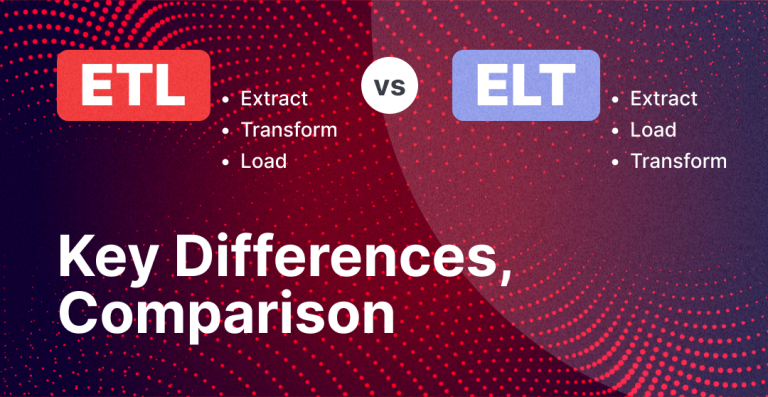
ETL vs ELT: Key Differences, Comparison

ETL and ELT are two ways to move data from source systems into an analytics platform. ETL means extract, transform, then load, so data is cleaned before it reaches the destination. ELT means extract, load, then transform, so raw data lands first and is reshaped inside the warehouse. ETL is usually the better choice when...

By: Chris Garzon | March 18, 2026 | 11 mins read
Learn More
From SQL Analyst to Data Engineer: A Practical Skill-Gap Plan for 2026

From SQL Analyst to Data Engineer: A Practical Skill-Gap Plan for 2026

SQL analysts are already closer to data engineering than they think.  If you can write solid SQL, debug bad results, and turn business questions into reliable metrics, you already have part of the foundation. What’s usually missing is not raw talent. It’s a smaller set of engineering habits: Python for data work, data modeling, pipeline...

By: Chris Garzon | March 17, 2026 | 8 mins read
Learn More

How to Get a Tech Job Without a College Degree or Experience

You can get a tech job without a college degree or prior tech experience. The fastest path is to learn a focused set of skills, build a small portfolio, network with people in the field, and apply for roles that value practical work over credentials. This guide explains which tech roles are realistic without a...

By: Chris Garzon | March 17, 2026 | 11 mins read
Learn More
AI

The Pros and Cons of Using AI for Data Visualization

The rise of AI in data visualization has made it easier than ever to turn complex data sets into actionable insights. But when should you rely on it, and when does it fall short? While AI can speed up workflows and reveal patterns we might not catch, there are still limitations — like over-reliance on...

By: Chris Garzon | March 16, 2026 | 16 mins read
Learn More
How Data Engineer Academy Helped Me Land a Senior Data Engineering Job Fast

How Data Engineer Academy Helped Me Land a Senior Data Engineering Job Fast

Getting a new data engineering job often feels like a mix of timing, skill, and luck. In this case, it moved much faster than expected. After graduating from Data Engineer Academy at the end of January, the job search lasted about a month, and the interview process turned into a senior data engineer offer shortly...

By: Chris Garzon | March 15, 2026 | 11 mins read
Learn More

Snowflake Integration: Complete Guide

Snowflake integration is the process of connecting data sources, ingestion tools, transformation workflows, and downstream analytics systems to Snowflake. Teams use it to centralize data, load it at the right speed, and manage storage, performance, and access in one cloud platform. In practice, Snowflake integration usually includes source system assessment, ingestion design, security setup, and...

By: Chris Garzon | March 14, 2026 | 10 mins read
Learn More
FAANG+ Data Engineer Learning roadmap for 2026

FAANG+ Data Engineer Learning roadmap for 2026

The data engineering future of FAANG+ companies in 2026 will be defined by advanced data systems orchestration, requiring mastery of a sophisticated set of technologies and methodologies. By 2026, FAANG+ companies will require data engineers to have a strong understanding of computer science principles and programming skills, as well as expertise in distributed data architectures,...

By: Chris Garzon | March 14, 2026 | 10 mins read
Learn More
Load More